Loading…
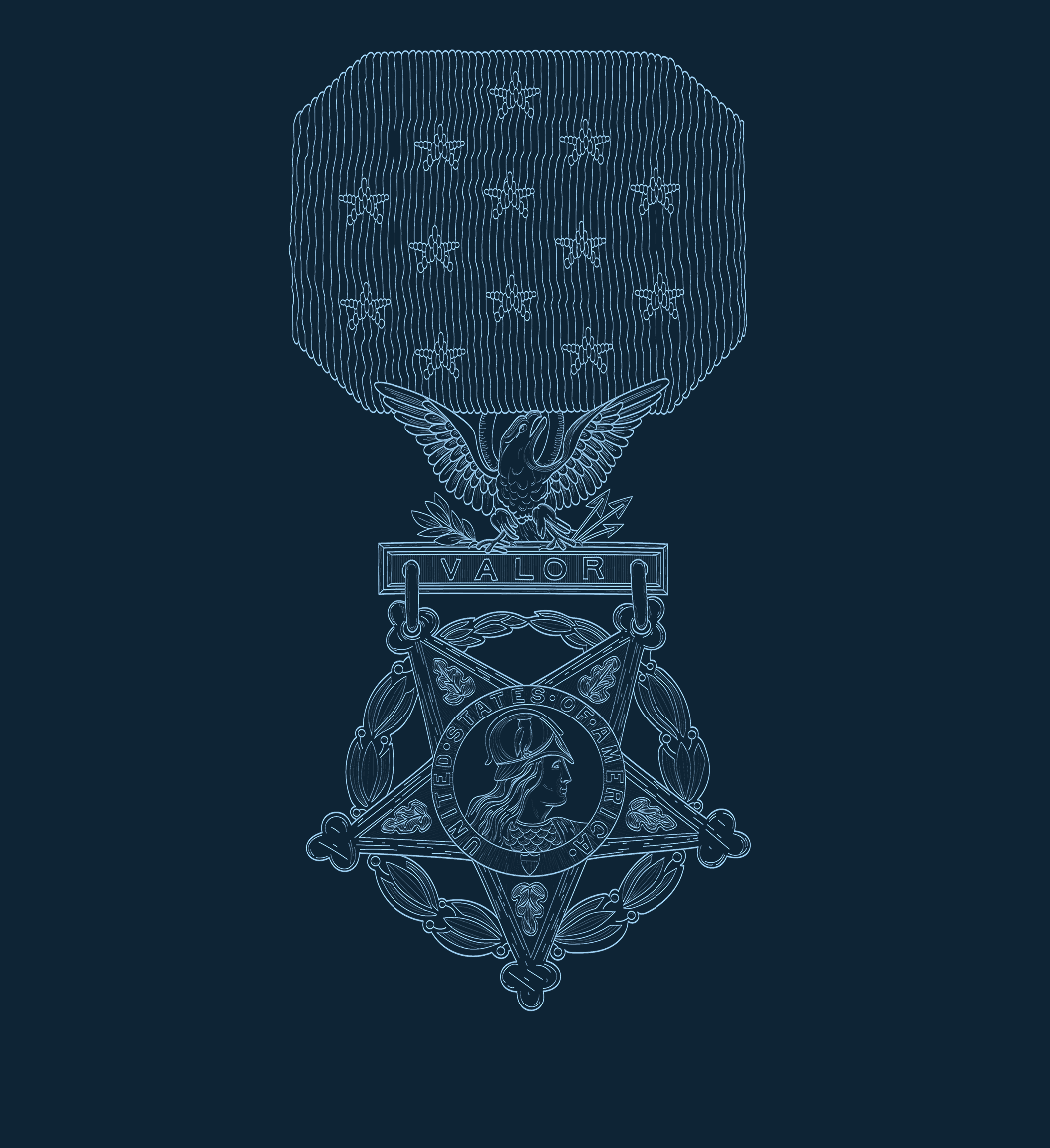
U.S. Army Air ForcesAwarded Posthumously
Raymond Harrell Wilkins
ConflictWorld War II
Year of Action1943
Unit/Command89th Bombardment Squadron, 3rd Bombardment Group (Light), 5th Air Force
BirthplacePortsmouth, Virginia
Citation
For conspicuous gallantry and intrepidity above and beyond the call of duty in action with the enemy near Rabaul, New Britain, on 2 November 1943. Leading his squadron in an attack on shipping in Simpson Harbor, during which intense antiaircraft fire was expected, Maj. Wilkins briefed his squadron so that his airplane would be in the position of greatest risk. His squadron was the last of 3 in the group to enter the target area. Smoke from bombs dropped by preceding aircraft necessitated a last-second revision of tactics on his part, which still enabled his squadron to strike vital shipping targets, but forced it to approach through concentrated fire, and increased the danger of Maj. Wilkins’ left flank position. His airplane was hit almost immediately, the right wing damaged, and control rendered extremely difficult. Although he could have withdrawn, he held fast and led his squadron into the attack. He strafed a group of small harbor vessels, and then, at low level, attacked an enemy destroyer. His 1,000 pound bomb struck squarely amidships, causing the vessel to explode. Although antiaircraft fire from this vessel had seriously damaged his left vertical stabilizer, he refused to deviate from the course. From below-masthead height he attacked a transport of some 9,000 tons, scoring a hit which engulfed the ship in flames. Bombs expended, he began to withdraw his squadron. A heavy cruiser barred the path. Unhesitatingly, to neutralize the cruiser s guns and attract its fire, he went in for a strafing run. His damaged stabilizer was completely shot off. To avoid swerving into his wing planes he had to turn so as to expose the belly and full wing surfaces of his plane to the enemy fire; it caught and crumpled his left wing. Now past control, the bomber crashed into the sea. In the fierce engagement Maj. Wilkins destroyed 2 enemy vessels, and his heroic self-sacrifice made possible the safe withdrawal of the remaining planes of his squadron.
Explore Fellow Recipients
See the recipients that share the same branch of service or conflict as Raymond Harrell Wilkins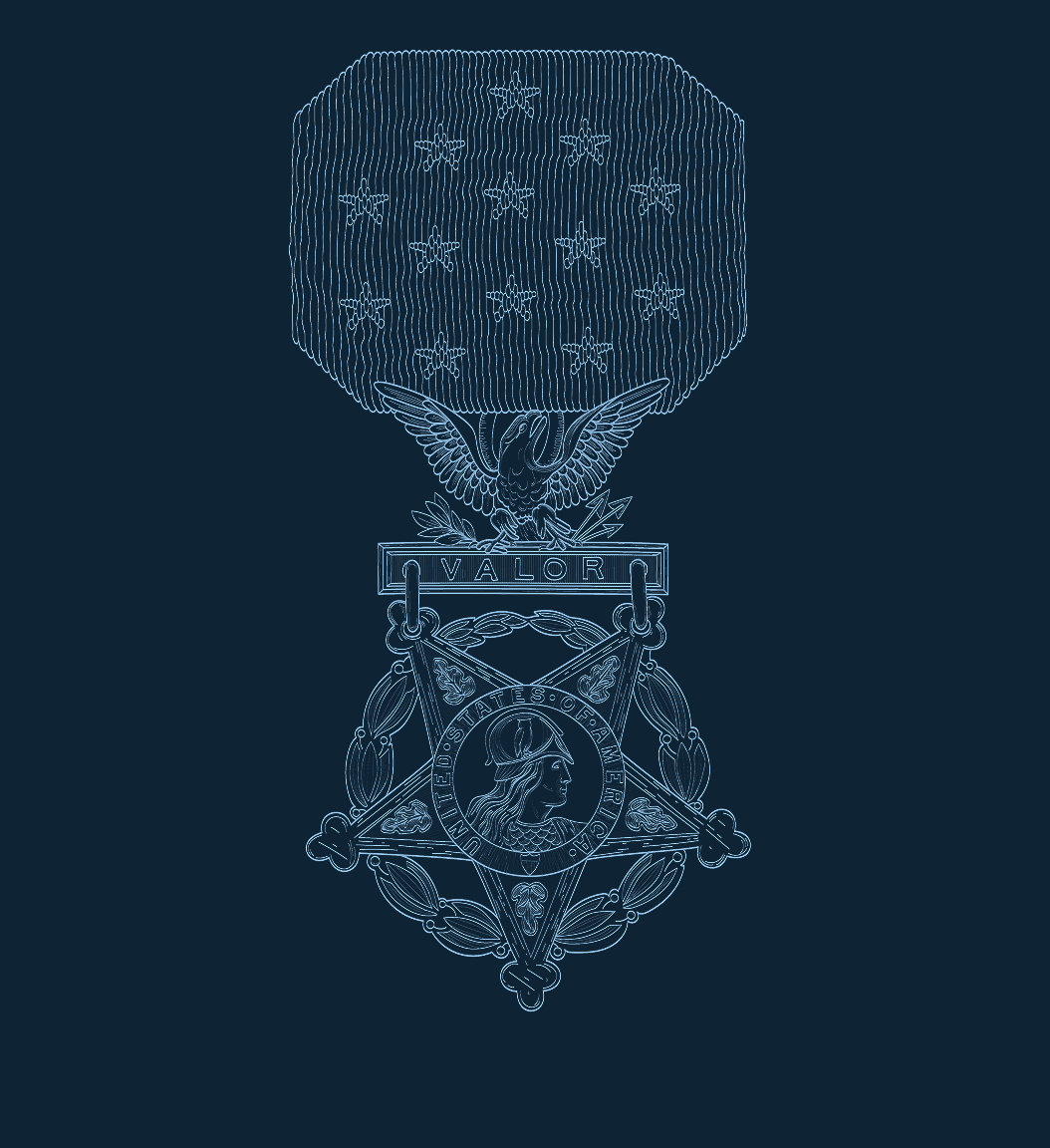


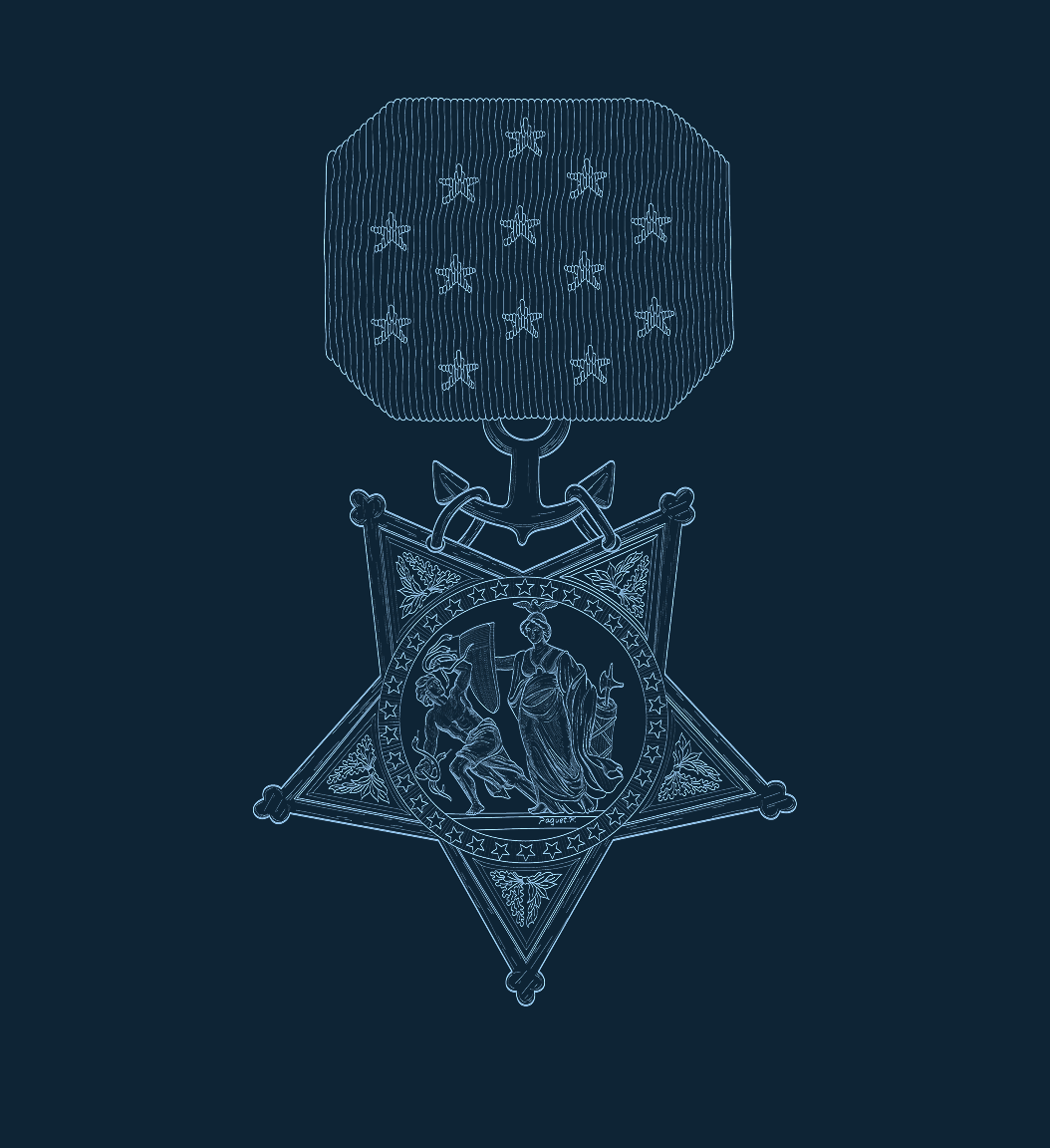

The Medal
A Medal Steeped in History
Uncover the inspiring legacy, symbolism, and selection criteria of the Medal of Honor.
EXPLORE THE MEDAL
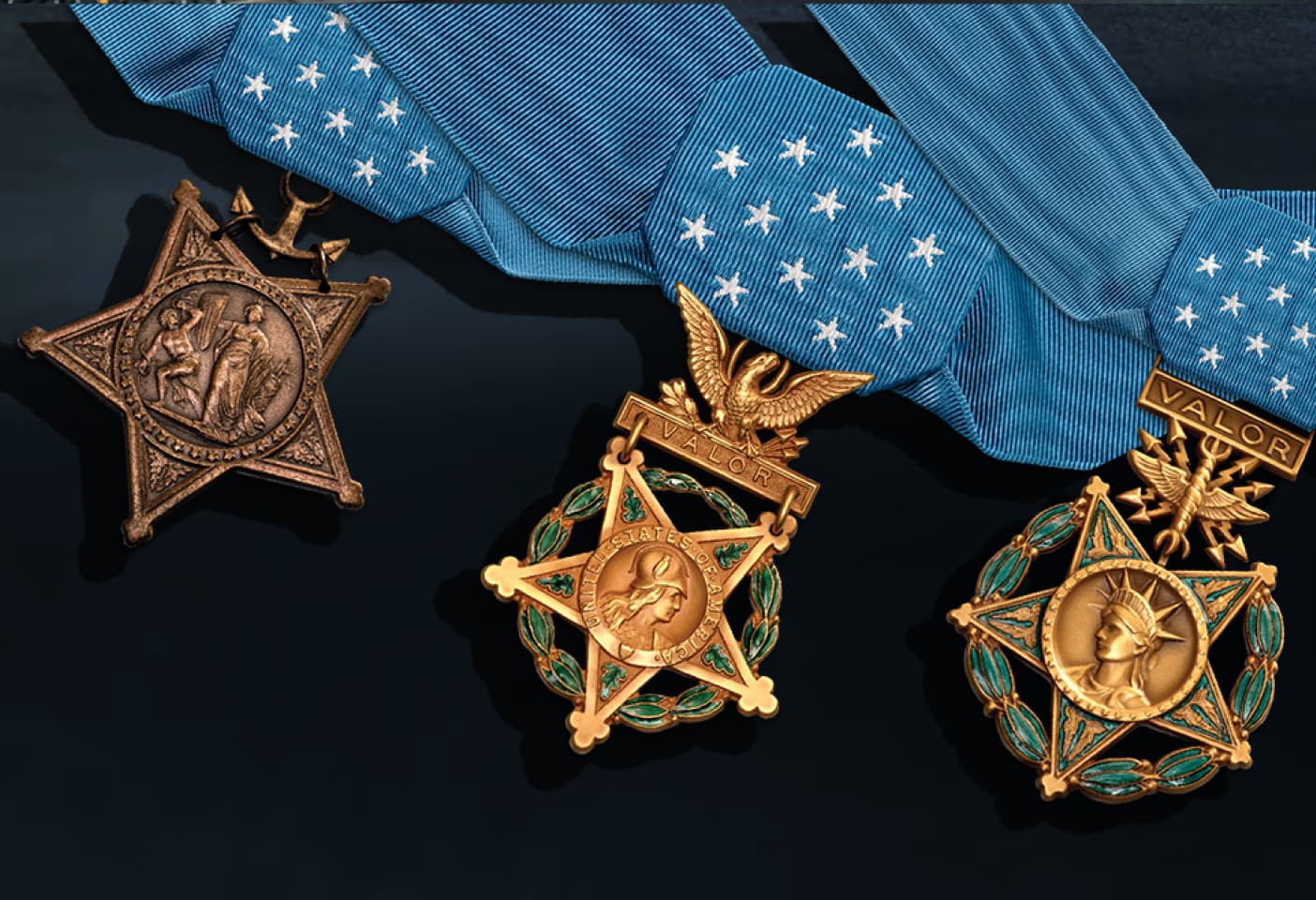
Exhibits
THE RING OF VALOR
Step into the heart of the Museum and surround yourself with stories of courage and sacrifice.
VIEW EXHIBIT DETAILS
